
If you travel, you should put together a Travel First Aid Kit for your car or suitcase so that you can handle minor injuries or sickness yourself instead of trying to find the closest drugstore. This post will help ensure you have everything you need.
For more ideas, check out all of our travel posts.
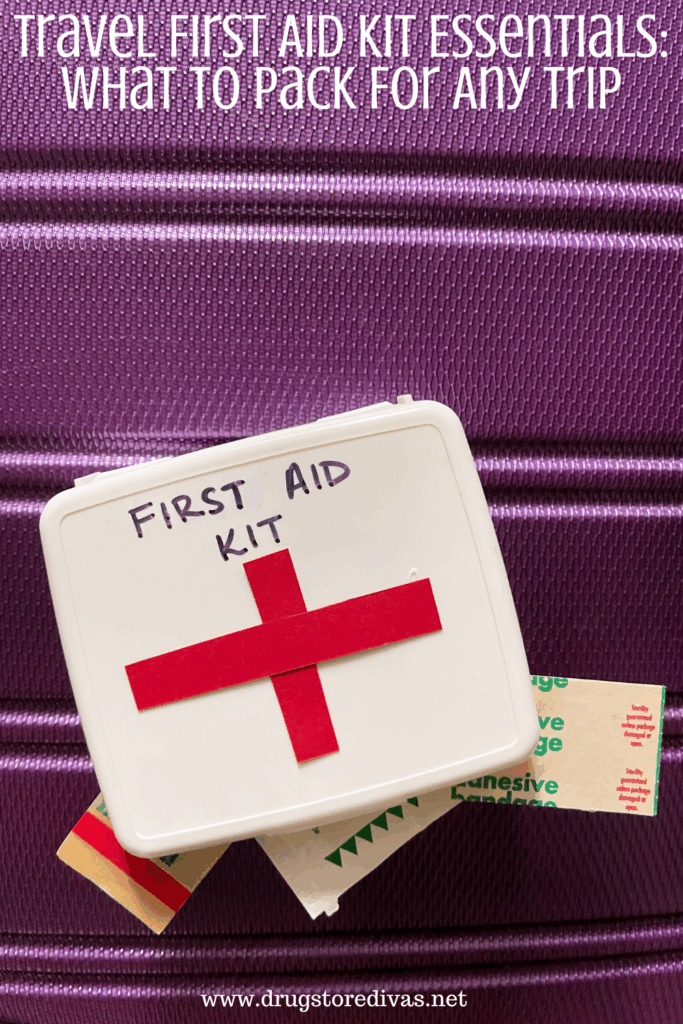
There have been so many times where I’ve been in my mom’s car and started rummaging around her glove compartment. “You have aspirin, right?” I always say. I know it’s in there somewhere.
Having a travel first aid kit in your car, with all your necessities, can be really helpful. You never know what your passengers — or you — might need while you’re on the go.
For that reason, a travel first aid kit is a great thing to have. You can make one for your car and one for your luggage so you’re prepared no matter how you travel.
This is just one of the packing lists we have to make your life easier. For more, check out The Ultimate List Of Packing Lists.
What To Pack In A Travel First Aid Kit
Affiliate links are included in this post and Drugstore Divas may make a small commission if you use them.
Travel First Aid Essentials
These are the perfect essentials for you to add in case of minor scrapes and scratches from your travel adventures.

Adhesive & Blister Bandages
Traveling usually involves a ton of walking and sightseeing. And, even if you pack the right shoes, that can still mean blisters from walking too much. I get them every single time I visit Japan. So packing blister bandages is a necessity.
Don’t forget regular adhesive bandages too, especially if you’re planning on hiking because you can get minor cuts and scrapes from trails. And if you’re with kids, there’s a good chance they’ll fall and scratch their knee and want a bandage.
Hand Sanitizer
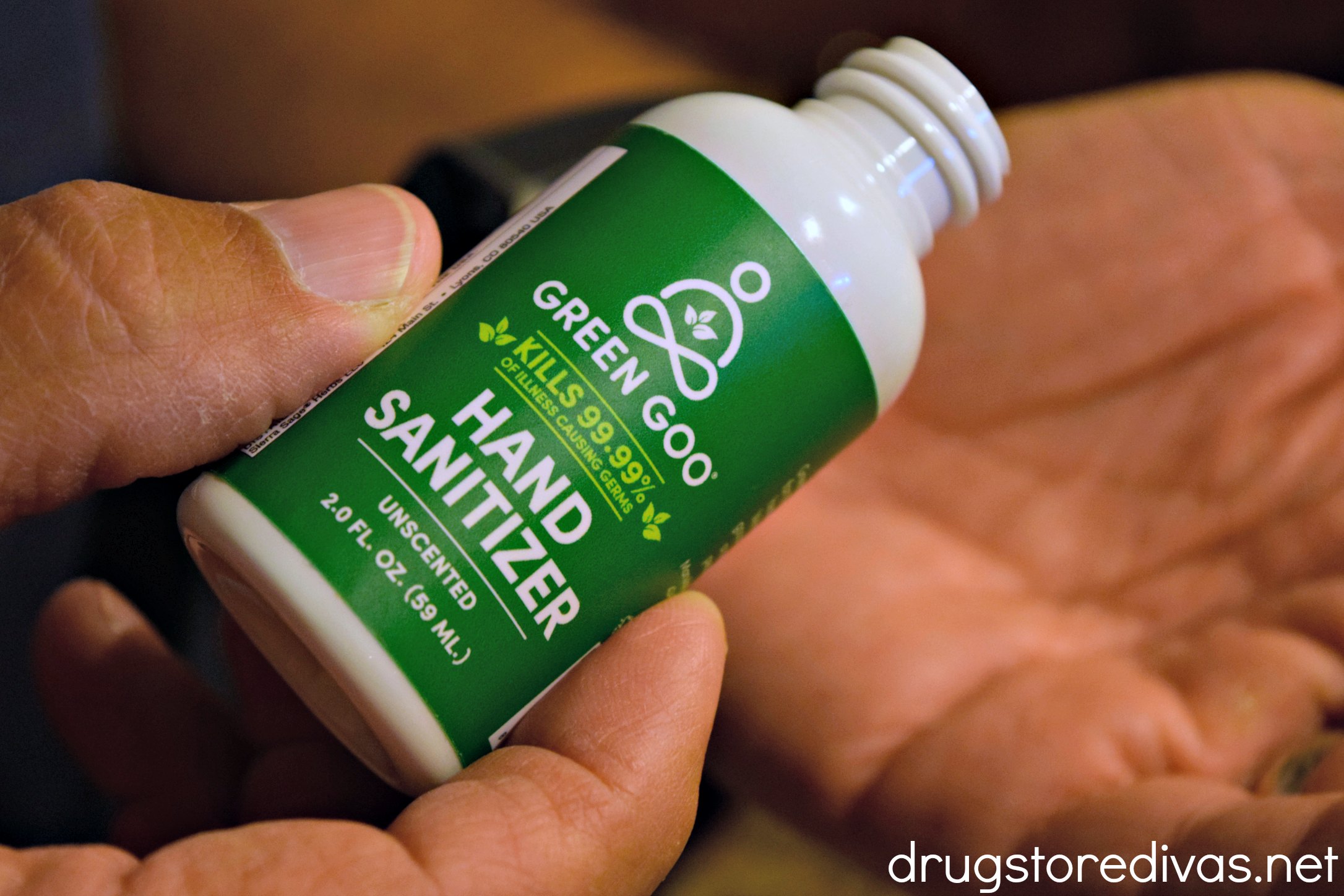
There was a time when no one carried hand sanitizer. And then there was a time when no one left home without it.
I still have hand sanitizer in my travel first aid kit (and my purse).
It’s great for when you’re flying so you can clean your hands before you eat the in-flight snack. It’s also really handy if you’re traveling to Las Vegas and are playing the slot machines. You can grab it out of your travel first aid kit and keep it in your pocket while you’re playing. Then, use it to clean your hands before you go out to dinner.

Tweezers
Tweezers are great to have in your travel first aid kit, especially if you’re on a beach vacation. If you’re walking off the beach onto the boardwalk without your flip flops on and get a splinter, you’ll be happy you have tweezers.
Medications For Travel
Having these OTC medications in your travel kit can prevent a trip to the store.

Allergy Medicine
You never know if you’ll be traveling and stumble upon something that sets off your allergies, like a pollen your body isn’t used to or a seasoning you weren’t expecting at a restaurant. Whatever it is, make sure you’re prepared with allergy medicine.
If your allergies are really bad and you usually have an EpiPen handy, maybe consider one for your travel first aid kit (of course, be sure to talk to a doctor about this first).

Antacids
Antacids are good to keep in your travel first aid kit because you never know when someone in your group might eat something that doesn’t agree with them — especially if you’re traveling somewhere with unfamiliar foods.
This actually happened to my brother when he was traveling to North Carolina to visit my parents. They didn’t have any antacid tablets, but lucky for him, I live two doors down and had a bottle to give him.
Some liquid antacid requires a fridge after you open it and not all hotel rooms have those, so you’re better off packing antacid tablets.

Cough Drops
A dry throat is a pain, especially on vacation. You don’t want to be checking out museums and coughing the whole way through, ruining everyone’s good time.
At the first sign of a scratchy throat, grab a cough drop. It will help soothe your throat (and the ears of everyone around you).

Electrolyte Packets
When we were in Nashville last year, we rented bikes and rode all over Music City. Pete started feeling lethargic, so we stopped somewhere and grabbed a Gatorade. It immediately woke him up so he could ride the rest of the day without any issues.
We had water with us, so if we had brought an electrolyte packet on our ride, he could have just had that and we wouldn’t have had to stop.
So, put a couple packets in your travel first aid kit, especially if you’re planning bike rides or just lots of time outdoors in the sun (which has the potential to cause dehydration).

Motion Sickness Tablets
I remember the first time I was traveling in Japan, I got motion sickness so bad. I never got it before then, and it was awful. Now, if I text in the car, I don’t feel so great. Pete is the same way. So having some sort of motion sickness tablets just in case is a great idea.
It’s good for motion sickness in a car, on a boat (which you may end up on when you’re on vacation), or a cruise ship. So have some handy.
Pain Killers
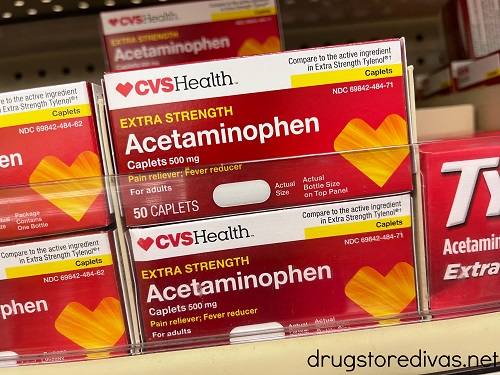
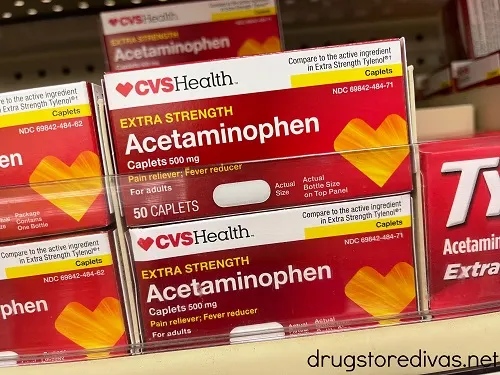
I get calf pain from walking too much, so if I’m planning a trip with a lot of sightseeing, I make sure to pack a pain killer like acetaminophen or ibuprofen, just in case.
They’re also good to have in case you tend to get travel fatigue, like headaches or body pain, from long travel days or flights.
Pain Relief Patches
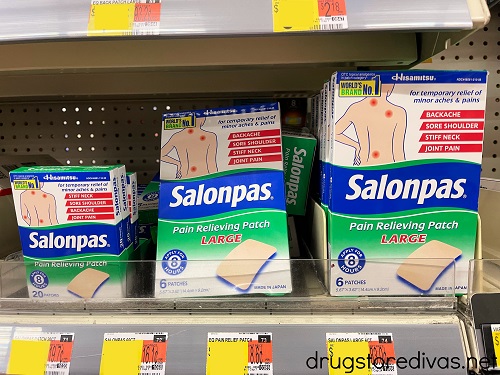
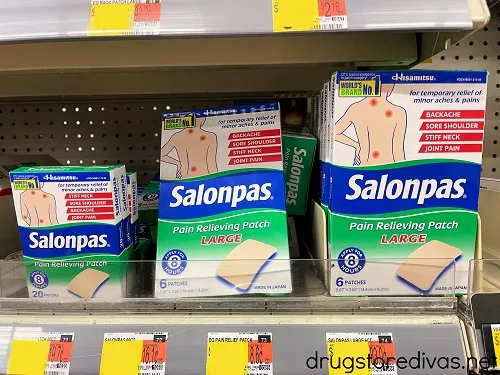
Recently, when my father-in-law was in town, his girlfriend had terrible back pain from sitting in the car for 12 hours driving from her house to ours. Pete gave her a disposable pain relief patch and she was so happy.
You don’t want a sore back or pulled muscle to get in the way of your good time. So, pack a pain relief patch just in case.
What’s good about these is they’re really thin, so they don’t take up much space like a traditional heating pad would. And they’re disposable, so when you’re done, you can just throw it away.

Prescription Medicine
If you have any prescription medications, be sure to pack your medicine when you travel.
I do suggest keeping them in your prescription bottles rather than portioning them into a pill organizer, just in case someone (like TSA) asks you for proof of what you’re carrying and why.
Sun and Bug Protection
If you’re going to be outdoors, you want to protect your skin from the sun and bugs with these items.
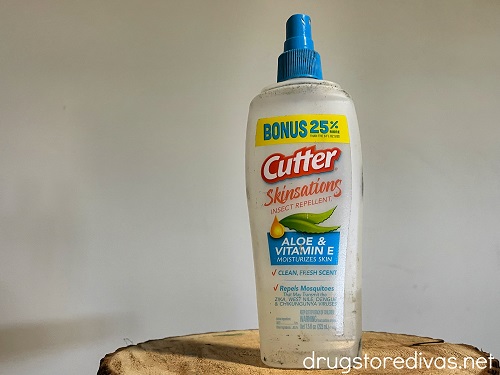
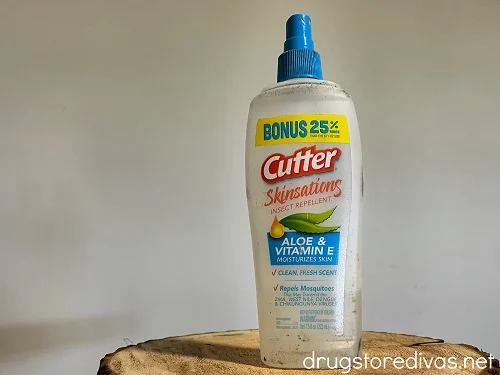
Insect Repellent
If you’re planning on spending any time outdoors, you want to pack some insect repellent in your travel first aid kit.
We always pack two bug sprays: one for mosquitos and gnats and one for flies and ticks, just so we’re prepared for anything.
Spray it on you before you go out, and hopefully you’ll avoid being a bug’s next meal.

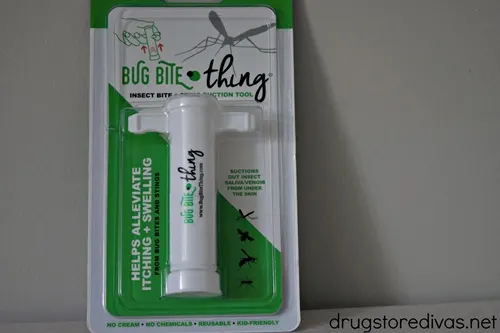
Bug Bite Thing
This time of year, mosquitoes are all over the place. Every time we go out, we come back with fresh bites. It’s awful — and itchy. We found the Bug Bite Thing and I’m obsessed. So I have one at home and one in my travel first aid kit.
Your body fights the saliva/venom from a bug bite and that’s what causes the itch. The Bug Bite Thing suctions out the insect saliva/venom from under the skin, so you don’t itch and you don’t scratch (according to the manufacturer).
We use this all summer long. So if you’re doing any summer traveling, you need one.

Hydrocortisone Cream Or Antibiotic Ointment
You never know what you’re gonna stumble upon on your trip: bugs that bite, poison ivy, or a reaction to a new soap or sunscreen. Having hydrocortisone cream to soothe your skin in those instances is so helpful.
You don’t want to end up with some sort of rash on vacation, but if you do, you’ll be prepared.
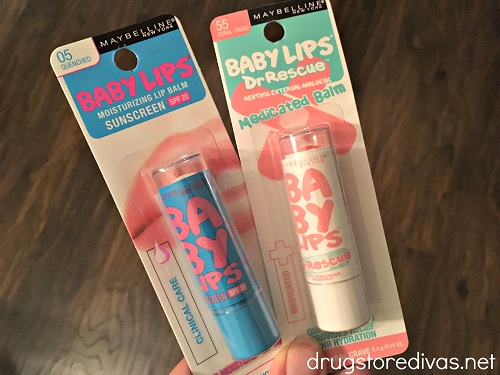
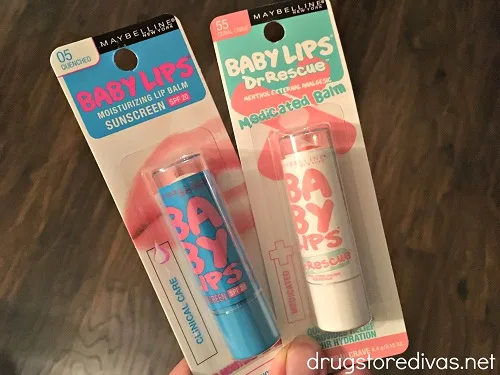
Lip Balm With SPF
People really forget to protect their lips when they’re on vacation. When you’re out sightseeing, your lips are exposed to the sun. And if you’re at the beach, they’re exposed to wind and salt water too.
So don’t forget your lip balm with SPF. And, to make sure you remember it, put an extra one (or two) in your travel first aid kit.
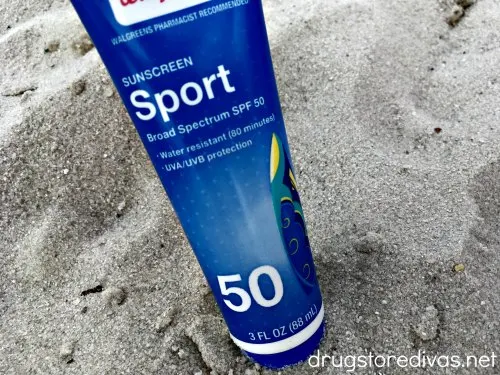
Sunscreen
I have sunscreen on me at all times because we live where people vacation and we’re outside as much as possible. So of course, I’m going to suggest sunscreen for your travel first aid kit.
It will be there, waiting, in case you forget to pack sunscreen in your suitcase and the one in your purse runs out — which actually happened to me in Vegas! Not the best place to not have suntan lotion, so thank goodness for a backup.

Travel First Aid Kits: Frequently Asked Questions
For the most part, yes, you can bring first aid kits on a plane. There are some items that won’t be allowed in your carry-on bag, like any liquids over 3.4 oz.
Tweezers, which are on this list, can go in your carry-on bag. But some other sharp items must be packed in your checked luggage.
Double check the TSA’s website if you’re unsure about an item that’s in your travel first aid kit.
We recommend that you pack trial size items, rather than full sized items. You want to keep it small and light, so packing smaller quantities of items makes it easier to carry.
Just remember to replace any items that you used on your trip so that you have them available for next time.
If you take road trips, you should definitely keep a first aid kit in your car. It’s super convenient, especially if someone gets carsick.
When you get to your destination, you can bring it into the hotel room (or wherever you’re staying) so you don’t have to run to the car if you need something.
Check your travel first aid kit before any trip you have planned to make sure you’ve replaced used items, like bandages or medications.
Also, check the expiration dates on items to make sure nothing is expired. If anything is, replace it before your trip.

Purchase A Travel First Aid Kit Online:
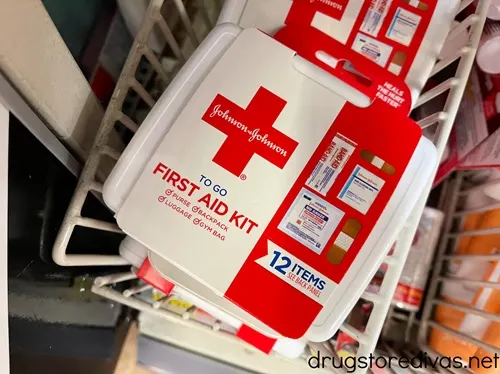
If you don’t want to purchase all these items separately, you can purchase pre-made travel first aid kits in store at stores like Target and Walmart.
You can also order them online at Amazon.
Ordering a kit to start is a little easier, but remember to replace anything you use.
What else would you put in your travel first aid kit? Be sure to let us know in the comments.
Helen Fern
Monday 6th of June 2022
That is a great comprehensive list!
Linda @ Linda's Lunacy
Friday 3rd of June 2022
I had to use the first aid kit in my car for my son recently. Oh boy, does it ever need updating! Thanks for the tips!
Joie Mojica Gahum
Tuesday 3rd of October 2017
i got my travel kit at roadeavour
vickie couturier
Friday 8th of September 2017
i have a kit in both my cars ,,with grandkids you never know what you need,