
If you want fried rice, but you don’t want pork in it, try this Kani Yakimeshi. It’s a really delicious seafood version of fried rice, made with imitation crab.
For more meals to make, check out all of our recipes.

One of my favorite things to eat in Japan is yakimeshi. It’s Chinese fried rice made in a Japanese style. You don’t get those bits of random vegetables that you get in American-style fried rice. There’s no square carrots or random peas.
There is char siu, which is a delicious Chinese-style barbecue pork.
I can’t find that in any of our grocery stores locally, so I use ham trimmings. That’s more of a bacon texture than pieces of pork, but you have to make do with what you have sometimes.
If I’m not in the mood to search for ham trimmings, I stop by the seafood section at the grocery store and pick up imitation crab meat to make this kani yakimeshi.
Kanikama, the Japanese word for imitation crab meat, is a really popular ingredient in Japanese cooking. It has a similar texture and flavor to crab, but it’s typically pollock and other ingredients.
You could add actual crab meat to this recipe. It would be delicious, but it would also be very expensive. Imitation crab meat is super affordable, which is why I prefer it.


If you want to make this in a more traditional way, check out our classic yakimeshi recipe. That one uses pork instead of crab.
Kani Yakimeshi Recipe
Affiliate links are included in this post and Drugstore Divas may make a small commission if you use them.
Kani Yakimeshi Ingredients:
You can get the full list of ingredients with measurements in the recipe card below.
- Rice – Most fried rice is made using day old rice, but we never have that, so I always use freshly made white rice.
- Garlic – Fresh garlic adds more flavor to the rice than jarred minced garlic.
- Ginger – A little ginger goes a long way to add flavor and spice to the rice. It’s also really good complement to the crab.
- Imitation crab meat – For this recipe, we use the flaky imitation crab meat rather than the sticks. I prefer how the irregular shapes look in the rice, although either version works fine. You could also use regular lump crab meat, too.
- Salt – This adds a little bit of seasoning to otherwise plain rice.
- Soy sauce – A little soy sauce adds some seasoning and color.
- Eggs – Coating the rice in egg gives it a yellow color. The egg also helps to bind the ingredients together so it’s easier to eat.
- Green onion – This adds a little bit of flavoring to the rice, plus the tops are used as garnish.
How To Make Kani Yakimeshi:

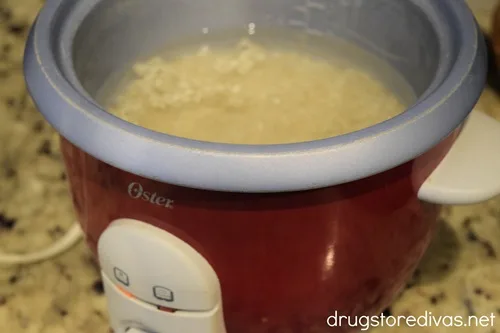
Start by making your rice in the rice cooker.
Quick note: If you don’t have a rice cooker, you can make the rice on the stove. But, a rice cooker is so easy to use. You just add water and rice in a 2 to 1 ratio, push down the button, and when it pops, you have the most perfect fluffy rice.
Rice cookers are really a popular staple in Japanese homes, but I really think anyone who ever makes rice should have one.
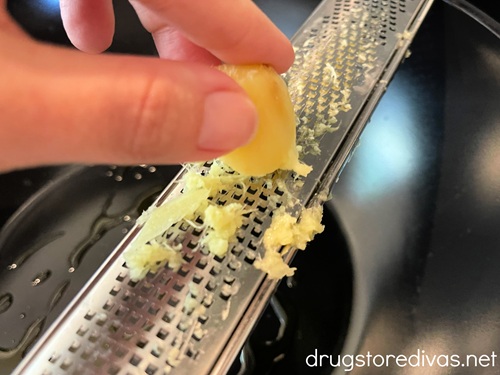
Heat a small bit of oil in a wok.
Most Japanese recipes use a neutral oil, like canola oil, so that it doesn’t add unwanted flavor into the foods.
Of course, if all you have is olive oil, that will work.
Peel and grate the ginger into the wok.
Grate or finely chop the garlic and add it to the wok as well.
If you don’t have a wok, you can make this in a large sauté pan. A wok is just how it’s traditionally cooked. Woks are also larger than most sauté pans, so you’re able to fit all the ingredients in easily.
Cook for less than a minute.
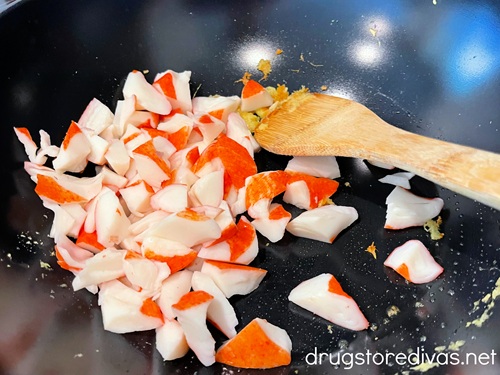
Add the imitation crab meat into the wok and heat it for just a minute until it’s slightly warm.
You don’t want to really cook the meat, but you just don’t want it cold.
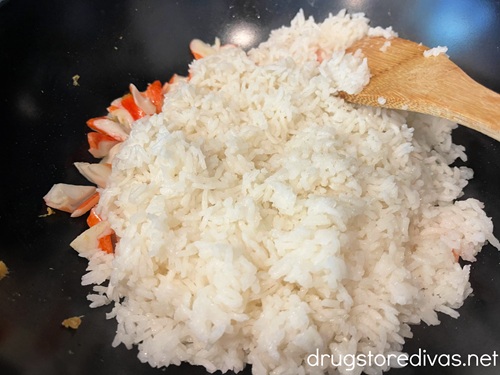
Add the cooked rice to the wok.
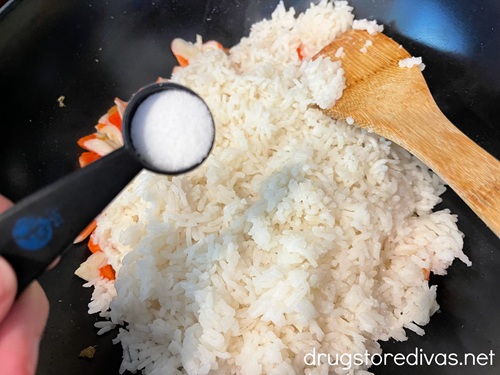
Sprinkle some salt on top to lightly season the rice.
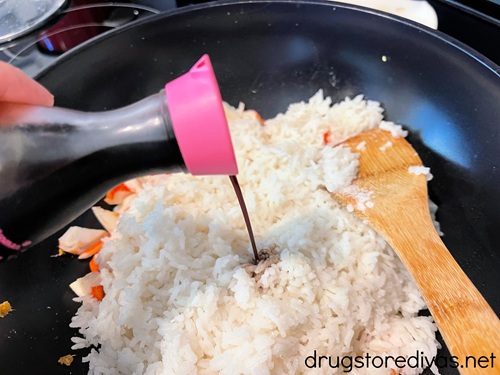
Pour in the soy sauce.
Crack the eggs into a small bowl and slightly scramble them.

Pour the eggs on top of the rice.
Very quickly, stir everything together so that the egg quickly cooks as it coats the rice.
You don’t want to let the egg sit because you don’t want chunks of egg in the rice. You just want it as a coating.
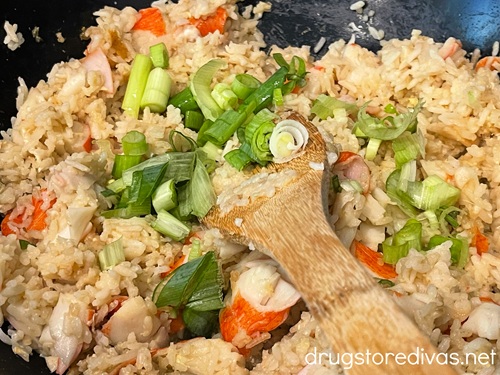
Chop the green onion, reserving some for garnish, and add it to the wok as well.
Stir everything together making sure that the crab meat is distributed throughout all of the rice.
I use a bamboo spoon to stir everything because I think it’s more gentle on the wok, but you can stir with whatever cooking utensil you have.
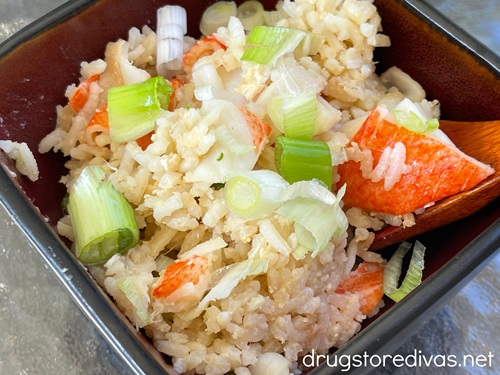
Put the rice into bowls and garnish with some of the reserved green onion.
You can serve this as a meal by itself or on the side of gyoza, which is one of my favorite things to eat in Japan.
Kani Yakimeshi: Frequently Asked Questions
Wait until the kani yakimeshi has cooled completely to room temperature, then put it in an airtight container and store it in the fridge. It’ll last about three to five days that way.
You can, it’s just more expensive. If you do, we suggest the jumbo lump crab meat that you find in the refrigerated section of the grocery store.
We use regular white rice for this.


More Ways To Use Imitation Crab Meat:
I think imitation crab has a bad rap, which is totally a bummer. It’s a really good, budget-friendly ingredient. I wouldn’t substitute it in things that are super crab forward like crabcakes or crab imperial, but I do like it in other recipes.
So, if this kani yakimeshi has converted you, you can also try it in our spicy Japanese kani salad. We also use it to make crab rangoon.
Kani Yakimeshi
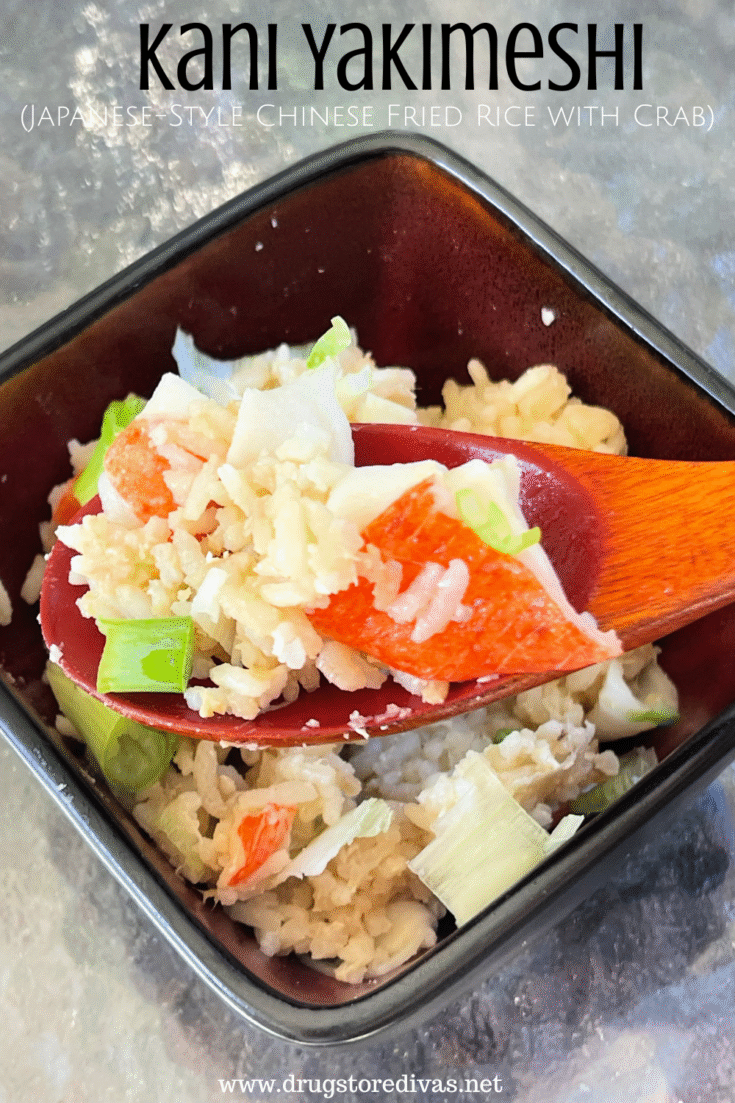
If you want fried rice, but you don’t want pork in it, try this Kani Yakimeshi. It’s a really delicious seafood version of fried rice, made with imitation crab.
Ingredients
- 1 cup white rice, uncooked
- 1-inch piece of ginger
- 2 cloves of garlic
- 8 oz. flaky imitation crab meat
- 1 teaspoon salt
- 1 tablespoon soy sauce
- 2 eggs
- 3 green onion sprigs
Instructions
- Start by making the rice in a rice cooker.
- Heat a small bit of oil in a wok (or skip the oil and just heat the wok if it's non-stick).
- Peel and grate the ginger into the wok.
- Grate or finely chop the garlic and add it to the wok.
- Cook for less than a minute.
- Add the imitation crab meat into the wok and heat it for just a minute until it’s slightly warm.
- Sprinkle some salt on top to lightly season the rice.
- Pour in the soy sauce.
- Crack the eggs into a small bowl and slightly scramble them.
- Pour the eggs on top of the rice.
- Very quickly, stir everything together so that the egg quickly cooks as it coats the rice.
- Chop the green onion, reserving some for garnish, and add it to the wok as well.
- Stir everything together making sure that the crab meat is distributed throughout all of the rice.
- Put the rice into bowls and garnish with some of the reserved green onion.
Notes
Nutrition Information
Yield
5Serving Size
1Amount Per Serving Calories 116Total Fat 2gSaturated Fat 1gUnsaturated Fat 1gCholesterol 78mgSodium 711mgCarbohydrates 18gFiber 1gSugar 1gProtein 6g
Have you made this kani yakimeshi yet? Let us know how it went in the comments.